← 返回列表
🔗 原文
利用调平传感器的自动压力提前
Automated Pressure Advance Using a Bed-Leveling Sensor

One of the most crucial aspects of FDM 3D printing is ensuring sufficient material is extruded. Determining the right flow rate can be done manually, but some printers these days automatically perform this adjustment, which is very convenient. [Stefan] of CNC Kitchen investigates how to add similar functionality using existing bed-leveling sensors.

A major complication with extrusion in FDM printers is that the flow rate has to fit the printing speed. However, you can’t just immediately speed up or reduce the flow rate, as the melting filament is flexible and thus acts like a spring, especially as the extruder is exerting significant force on the filament, which adds compression.

The moment you reduce or increase the speed of the nozzle, you can get over- or under-extrusion, but the delayed response by the extruded filament means that you have to adjust for this change in advance. Ergo, the name ‘pressure advance’, also known as the K-value. Obviously, this is a parameter that differs with each material, printer, and other factors, so a direct measurement is always the best.
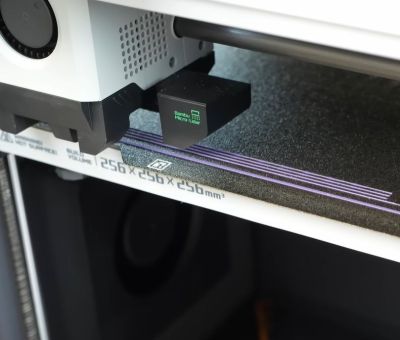
In the Bambu Lab X1 FDM printer, a Lidar scanner was used to scan various test patterns to automatically determine the optimal setting. This was later moved to the purge section of the extruder in newer Bambu Lab printers. On other FDM printers, the only available sensor in that area is typically the pressure sensor for bed leveling. Could this sensor make a similar measurement?

This wasn’t just an idle thought, but was inspired by the Snapmaker U1, which runs open-source Klipper, with tantalizing glimpses of how it does pressure-advance sensing in its extruder. This extruder also only contains a load cell, as do some Prusa printers. These much more open printers thus provided a test bed for some experimentation.

With load cell data available, [Stefan] measured how various extrusion rates affect the load cell, which can then theoretically be correlated with the appropriate K-values for specific transitions. He created a calibration tool for a range of Prusa printers that works with stock firmware, though this is definitely still a work in progress. There are also a couple of similar open-source projects, such as this Auto PA Calibration project by [Mark].

Overall, K-value presets tend to work pretty well, but adding a pressure-advance calibration feature to existing FDM printers is definitely an interesting idea. There’s also the prospect of lateral sensing using this same bed-leveling sensor, which could allow the printer to sense much more than just the bed.

🤖 AI 总结
利用床调平传感器自动校准压力提前参数,可高效优化FDM 3D打印的挤出流量,提升打印质量。

One of the most crucial aspects of FDM 3D printing is ensuring sufficient material is extruded. Determining the right flow rate can be done manually, but some printers these days automatically perform this adjustment, which is very convenient. [Stefan] of CNC Kitchen investigates how to add similar functionality using existing bed-leveling sensors.

A major complication with extrusion in FDM printers is that the flow rate has to fit the printing speed. However, you can’t just immediately speed up or reduce the flow rate, as the melting filament is flexible and thus acts like a spring, especially as the extruder is exerting significant force on the filament, which adds compression.

The moment you reduce or increase the speed of the nozzle, you can get over- or under-extrusion, but the delayed response by the extruded filament means that you have to adjust for this change in advance. Ergo, the name ‘pressure advance’, also known as the K-value. Obviously, this is a parameter that differs with each material, printer, and other factors, so a direct measurement is always the best.

In the Bambu Lab X1 FDM printer, a Lidar scanner was used to scan various test patterns to automatically determine the optimal setting. This was later moved to the purge section of the extruder in newer Bambu Lab printers. On other FDM printers, the only available sensor in that area is typically the pressure sensor for bed leveling. Could this sensor make a similar measurement?

This wasn’t just an idle thought, but was inspired by the Snapmaker U1, which runs open-source Klipper, with tantalizing glimpses of how it does pressure-advance sensing in its extruder. This extruder also only contains a load cell, as do some Prusa printers. These much more open printers thus provided a test bed for some experimentation.

With load cell data available, [Stefan] measured how various extrusion rates affect the load cell, which can then theoretically be correlated with the appropriate K-values for specific transitions. He created a calibration tool for a range of Prusa printers that works with stock firmware, though this is definitely still a work in progress. There are also a couple of similar open-source projects, such as this Auto PA Calibration project by [Mark].

Overall, K-value presets tend to work pretty well, but adding a pressure-advance calibration feature to existing FDM printers is definitely an interesting idea. There’s also the prospect of lateral sensing using this same bed-leveling sensor, which could allow the printer to sense much more than just the bed.

原文
Automated Pressure Advance Using a Bed-Leveling Sensor

One of the most crucial aspects of FDM 3D printing is ensuring sufficient material is extruded. Determining the right flow rate can be done manually, but some printers these days automatically perform this adjustment, which is very convenient. [Stefan] of CNC Kitchen investigates how to add similar functionality using existing bed-leveling sensors.

A major complication with extrusion in FDM printers is that the flow rate has to fit the printing speed. However, you can’t just immediately speed up or reduce the flow rate, as the melting filament is flexible and thus acts like a spring, especially as the extruder is exerting significant force on the filament, which adds compression.

The moment you reduce or increase the speed of the nozzle, you can get over- or under-extrusion, but the delayed response by the extruded filament means that you have to adjust for this change in advance. Ergo, the name ‘pressure advance’, also known as the K-value. Obviously, this is a parameter that differs with each material, printer, and other factors, so a direct measurement is always the best.

In the Bambu Lab X1 FDM printer, a Lidar scanner was used to scan various test patterns to automatically determine the optimal setting. This was later moved to the purge section of the extruder in newer Bambu Lab printers. On other FDM printers, the only available sensor in that area is typically the pressure sensor for bed leveling. Could this sensor make a similar measurement?

This wasn’t just an idle thought, but was inspired by the Snapmaker U1, which runs open-source Klipper, with tantalizing glimpses of how it does pressure-advance sensing in its extruder. This extruder also only contains a load cell, as do some Prusa printers. These much more open printers thus provided a test bed for some experimentation.

With load cell data available, [Stefan] measured how various extrusion rates affect the load cell, which can then theoretically be correlated with the appropriate K-values for specific transitions. He created a calibration tool for a range of Prusa printers that works with stock firmware, though this is definitely still a work in progress. There are also a couple of similar open-source projects, such as this Auto PA Calibration project by [Mark].

Overall, K-value presets tend to work pretty well, but adding a pressure-advance calibration feature to existing FDM printers is definitely an interesting idea. There’s also the prospect of lateral sensing using this same bed-leveling sensor, which could allow the printer to sense much more than just the bed.

中文翻译
利用调平传感器的自动压力提前

FDM 3D打印最关键的一个方面是确保挤出足够的材料。手动确定合适的流量是可行的,但如今有些打印机可以自动执行此调整,非常方便。《CNC Kitchen》的[Stefan]正在研究如何利用现有的调平传感器来添加类似的功能。

FDM打印机中挤出过程的一个主要复杂因素在于流量必须与打印速度相匹配。然而,不能立即加快或降低流量,因为熔化的耗材具有柔性,就像弹簧一样,特别是当挤出机对耗材施加显著压力时,会增加压缩效应。

当你降低或提高喷嘴速度时,可能会出现挤出过多或不足的情况,但挤出耗材的延迟响应意味着必须提前针对这种变化进行调整。因此,它被称为"压力提前"(Pressure Advance),也称为K值。显然,这个参数会因材料、打印机和其他因素而异,因此直接测量始终是最佳选择。

在Bambu Lab X1 FDM打印机中,使用激光雷达扫描仪扫描各种测试图案,以自动确定最佳设置。在较新的Bambu Lab打印机中,这一功能被移到了挤出机的清洁区。在其他FDM打印机上,该区域唯一可用的传感器通常是用于调平的压力传感器。这个传感器能否进行类似的测量?

这并非仅仅是一个空想,而是受到了Snapmaker U1的启发。该打印机运行开源Klipper固件,其挤出机中压力提前感测的方式令人好奇。该挤出机也只包含一个称重传感器,某些Prusa打印机也是如此。这些更开放的打印机因此成为了一些实验的测试平台。

借助可用的称重传感器数据,[Stefan]测量了不同挤出速率如何影响称重传感器,然后理论上可以将这些数据与特定过渡下的适当K值关联起来。他创建了一个适用于多种Prusa打印机的校准工具,该工具可与原厂固件配合使用,但目前仍在开发中。此外,还有一些类似的开源项目,例如[Mark]的自动PA校准项目。

总的来说,K值预设通常效果不错,但为现有FDM打印机添加压力提前校准功能无疑是一个有趣的想法。此外,还有利用同一个调平传感器进行横向感测的前景,这可能使打印机能够感测到不仅仅是热床的信息。