I remember exactly when I noticed the shift. 2012, the early days of Instagram. I was on vacation, planning activities around photo opportunities in California. Somewhere between the tenth arranged beach scene and a photogenic lunch, a thought emerged: who am I doing this for?
It wasn't for myself.
That moment marked a change in my relationship with photography. I'm a video producer by trade, but I've become someone who rarely records images in social settings. No staged selfies, no documentation of every meal, no digital harvesting of moments.
I don't take certain photos because I don't have anywhere to post them besides my website. No Instagram, no nothing. Staying off those platforms helps: if I take a picture, it's because I want a memory of that moment. For myself.
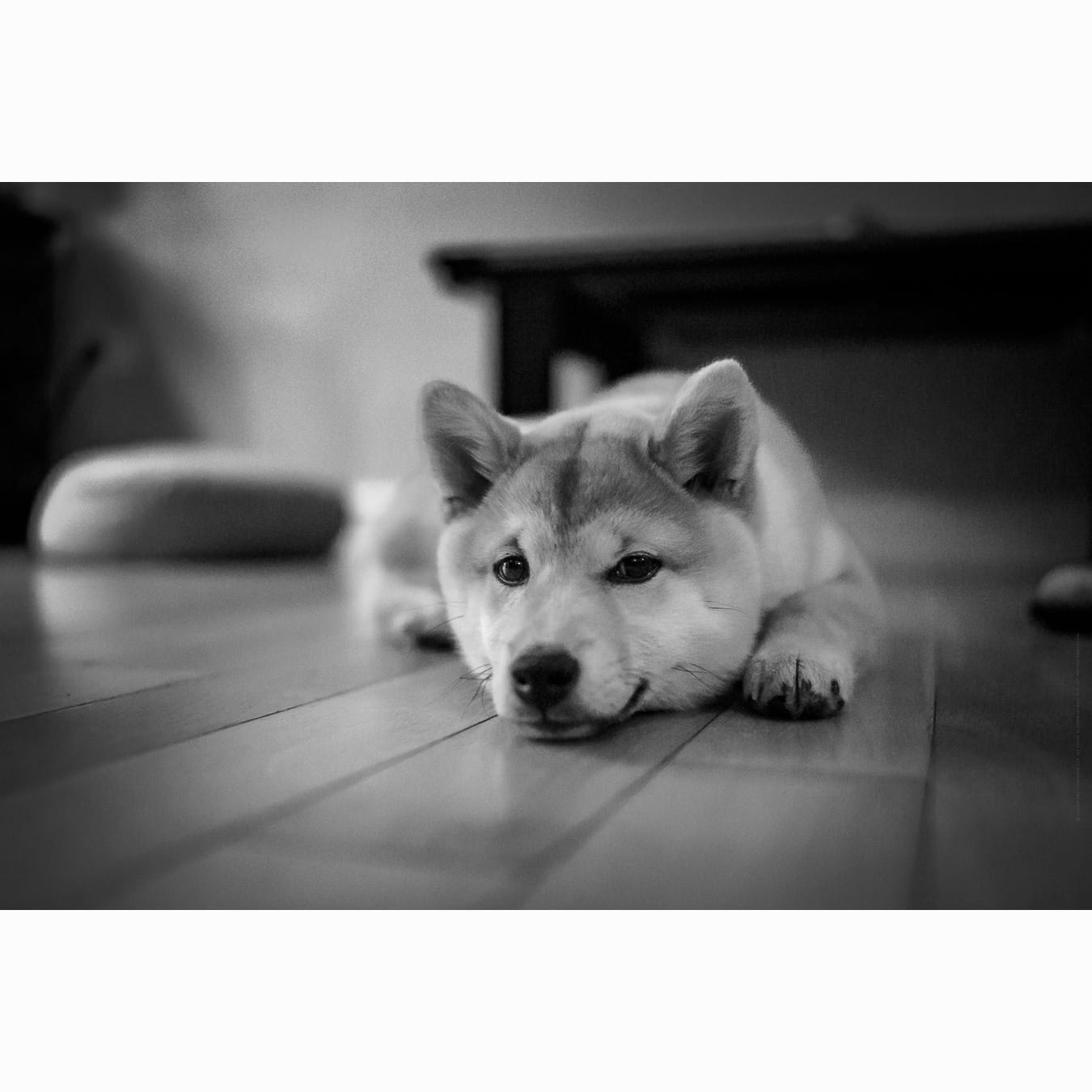
It's a selective approach. I haven't seen you in years. We live across the ocean. We're in a peculiar place, having a meaningful experience. Let's capture this. It's different from my street photography, where I can take thousands of shots in a day and select only ten or so. This is private life photography. Those photos carry weight. They're deliberate preservation of something I want to remember.
Without social media as the mental default, the nature of photos themselves transforms. The intention of preserving instead of displaying morphs their very content and meaning. I find that even just having an account on social platforms affects how you look at the world for pictures. "I have Instagram, but I don't really use it!" say many. The eye is already recruited.
One winter I filmed a three-hour walk with our dogs using a body camera. Later, I produced a four-minute distillation of those hours, our family stroll in the snow with dogs of different ages. Just us.
"If I don't do it today," I told my spouse, "I'm never going to be able to do exactly this again." I wanted to remember the puppy in the snow. I hoped to remember that we were happy. And that I felt lucky.
The body-mounted action camera was no coincidence either: I would rather not be distracted by a phone during our walk.
Our families lived in different states, different continents. That four-minute video, the puppy playing against the urban landscape, made a tiny narrative arc out of our mundane day. It became something precious in the private group chats. No staged production. Documentation of a small, boring thing. Our real thing.
To the people we love, such glimpses into everyday existence hold more value than any holiday portrait. What gets missed when relationships stretch across distances is rarely the special occasion, where we make the effort to gather. The quiet, unremarkable moments constitute the actual flow of a life. I miss those.
Taking photos for display pulls you out of the present and turns experience into performance. Taking photos for memory deepens a moment by marking it as worth remembering.
So, I'm a professional media maker who avoids casual media making. While around us, the world is now full of non-professionals forging media every second. How curious.
When everything is documented, but little is truly seen, choosing what's preserved, and who your audience is, becomes a form of presence.