← 返回列表
🔗 原文
Being a Bridge Person
“The meeting of two personalities is like the contact of two chemical substances: if there is any reaction, both are transformed.”
Carl Gustav Jung

Let me paint you a picture: A communal campfire flickering in rural Michigan. Stars above, forest around. My partner and me, a foreigner, face-to-face with a local prison guard and his girlfriend.

At first, silence. Wary glances. Then, “Where you guys from?” he asks.

With my accent, I tell him. His girlfriend leans in, curious. “What made you move to the US?”

Stories flow. They share tales of small-town life. It's different from anything I experienced. Not worse, nor better. Different. I listen, ask. My accent softens their edges.
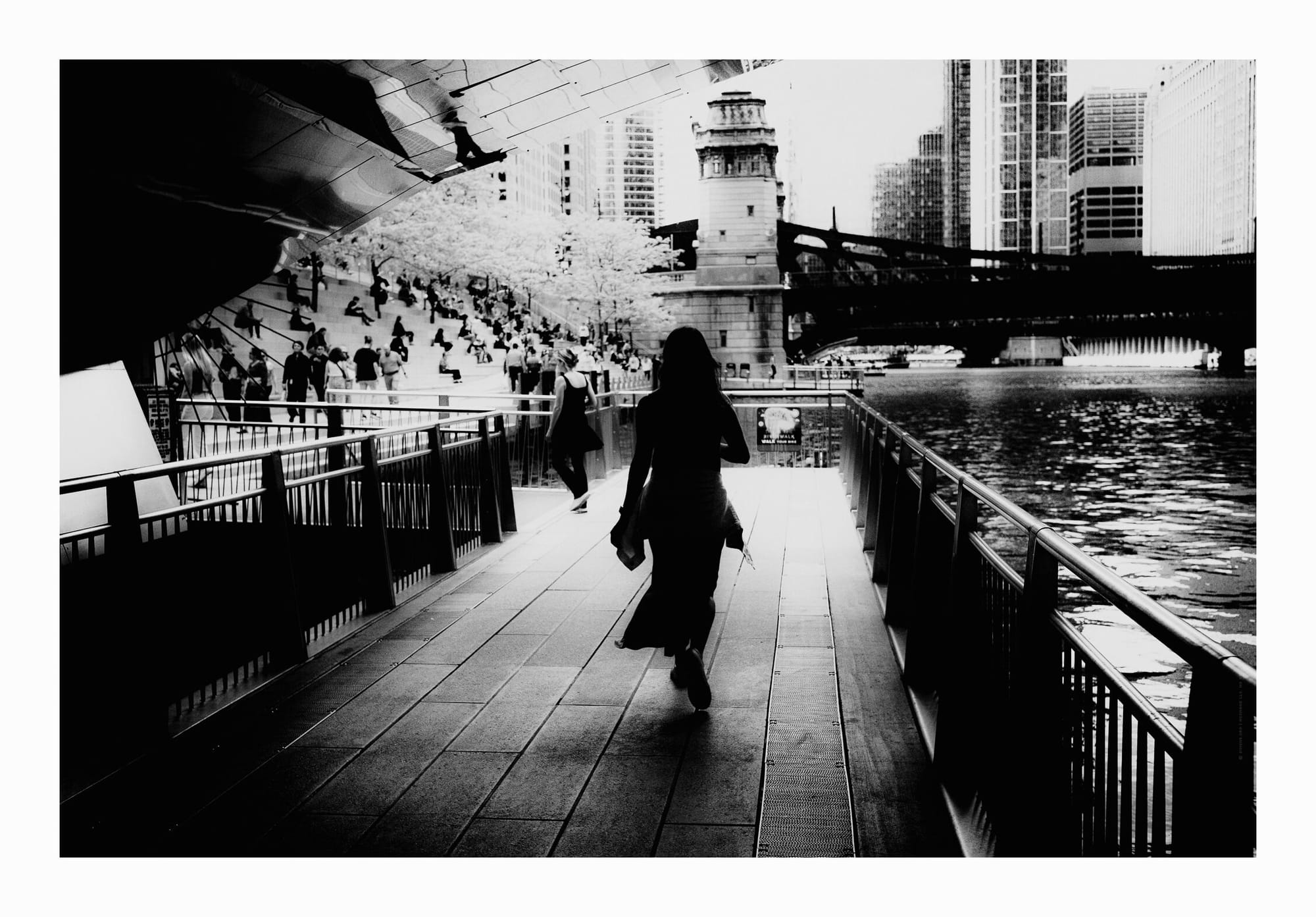
Silhouette of a woman walking by the Chicago River walk. Black and white fine art photo.

My partner, tense, starts to relax. He chimes in, cracks a joke. Laughter breaks the night.

An hour passes. Masks slip. The guard mentions the kids. Her kids. His girlfriend sighs, “Different dads.”

“It's tough,” she admits. He nods, squeezes her hand.

At that moment, we're just people. No prison guard, no foreigners. Just sharing truths, much like the shared inspirations discussed in The Tapestry of Influence: The Inspirations That Shape Us.

As embers fade, I realize this is how change begins: One campfire, one conversation. We're different. But we are not.

Lowering our guards. Seeing the human behind the label. Melting marshmallows. There are enough “us” vs. “them” people. It's more helpful to be a bridge person.

It ripples outward. From person to community to society, making us capable of Seeking Purpose and Connection in Disconnected Times.

In the egosystem's cracks, authenticity blooms.

One small step. One bridge built.

P.S. From the initial quote by Jung, I want to emphasize that he talks about any reaction. It doesn't need to be a constructive reaction for transformation to happen.

AI 总结尚未生成

“The meeting of two personalities is like the contact of two chemical substances: if there is any reaction, both are transformed.”
Carl Gustav Jung

Let me paint you a picture: A communal campfire flickering in rural Michigan. Stars above, forest around. My partner and me, a foreigner, face-to-face with a local prison guard and his girlfriend.

At first, silence. Wary glances. Then, “Where you guys from?” he asks.

With my accent, I tell him. His girlfriend leans in, curious. “What made you move to the US?”

Stories flow. They share tales of small-town life. It's different from anything I experienced. Not worse, nor better. Different. I listen, ask. My accent softens their edges.

Silhouette of a woman walking by the Chicago River walk. Black and white fine art photo.

My partner, tense, starts to relax. He chimes in, cracks a joke. Laughter breaks the night.

An hour passes. Masks slip. The guard mentions the kids. Her kids. His girlfriend sighs, “Different dads.”

“It's tough,” she admits. He nods, squeezes her hand.

At that moment, we're just people. No prison guard, no foreigners. Just sharing truths, much like the shared inspirations discussed in The Tapestry of Influence: The Inspirations That Shape Us.

As embers fade, I realize this is how change begins: One campfire, one conversation. We're different. But we are not.

Lowering our guards. Seeing the human behind the label. Melting marshmallows. There are enough “us” vs. “them” people. It's more helpful to be a bridge person.

It ripples outward. From person to community to society, making us capable of Seeking Purpose and Connection in Disconnected Times.

In the egosystem's cracks, authenticity blooms.

One small step. One bridge built.

P.S. From the initial quote by Jung, I want to emphasize that he talks about any reaction. It doesn't need to be a constructive reaction for transformation to happen.

原文
Being a Bridge Person
“The meeting of two personalities is like the contact of two chemical substances: if there is any reaction, both are transformed.”
Carl Gustav Jung

Let me paint you a picture: A communal campfire flickering in rural Michigan. Stars above, forest around. My partner and me, a foreigner, face-to-face with a local prison guard and his girlfriend.

At first, silence. Wary glances. Then, “Where you guys from?” he asks.

With my accent, I tell him. His girlfriend leans in, curious. “What made you move to the US?”

Stories flow. They share tales of small-town life. It's different from anything I experienced. Not worse, nor better. Different. I listen, ask. My accent softens their edges.

Silhouette of a woman walking by the Chicago River walk. Black and white fine art photo.

My partner, tense, starts to relax. He chimes in, cracks a joke. Laughter breaks the night.

An hour passes. Masks slip. The guard mentions the kids. Her kids. His girlfriend sighs, “Different dads.”

“It's tough,” she admits. He nods, squeezes her hand.

At that moment, we're just people. No prison guard, no foreigners. Just sharing truths, much like the shared inspirations discussed in The Tapestry of Influence: The Inspirations That Shape Us.

As embers fade, I realize this is how change begins: One campfire, one conversation. We're different. But we are not.

Lowering our guards. Seeing the human behind the label. Melting marshmallows. There are enough “us” vs. “them” people. It's more helpful to be a bridge person.

It ripples outward. From person to community to society, making us capable of Seeking Purpose and Connection in Disconnected Times.

In the egosystem's cracks, authenticity blooms.

One small step. One bridge built.

P.S. From the initial quote by Jung, I want to emphasize that he talks about any reaction. It doesn't need to be a constructive reaction for transformation to happen.

中文翻译
Being a Bridge Person

翻译尚未生成