← 返回列表
🔗 原文
线圈的机械稳定性
Mechanical Stability For Your Coils

If you work with radio, the chances are that before too long you’ll be winding an inductor. At radio frequencies these won’t be big chunky transformer style chokes, but often air-cored affairs supported by their own rigidity. As grizzled old radio amateurs will tell you though, relying on such a coil for stability is a fool’s errand. It will shift inductance from the slightest movement, thermal expansion, or even sound. Luckily [SolderSmoke] is here to remind us of the trusty fix, in the form of Q-dope, or a polystyrene solution that dries to form a rigid low-dielectric coating.
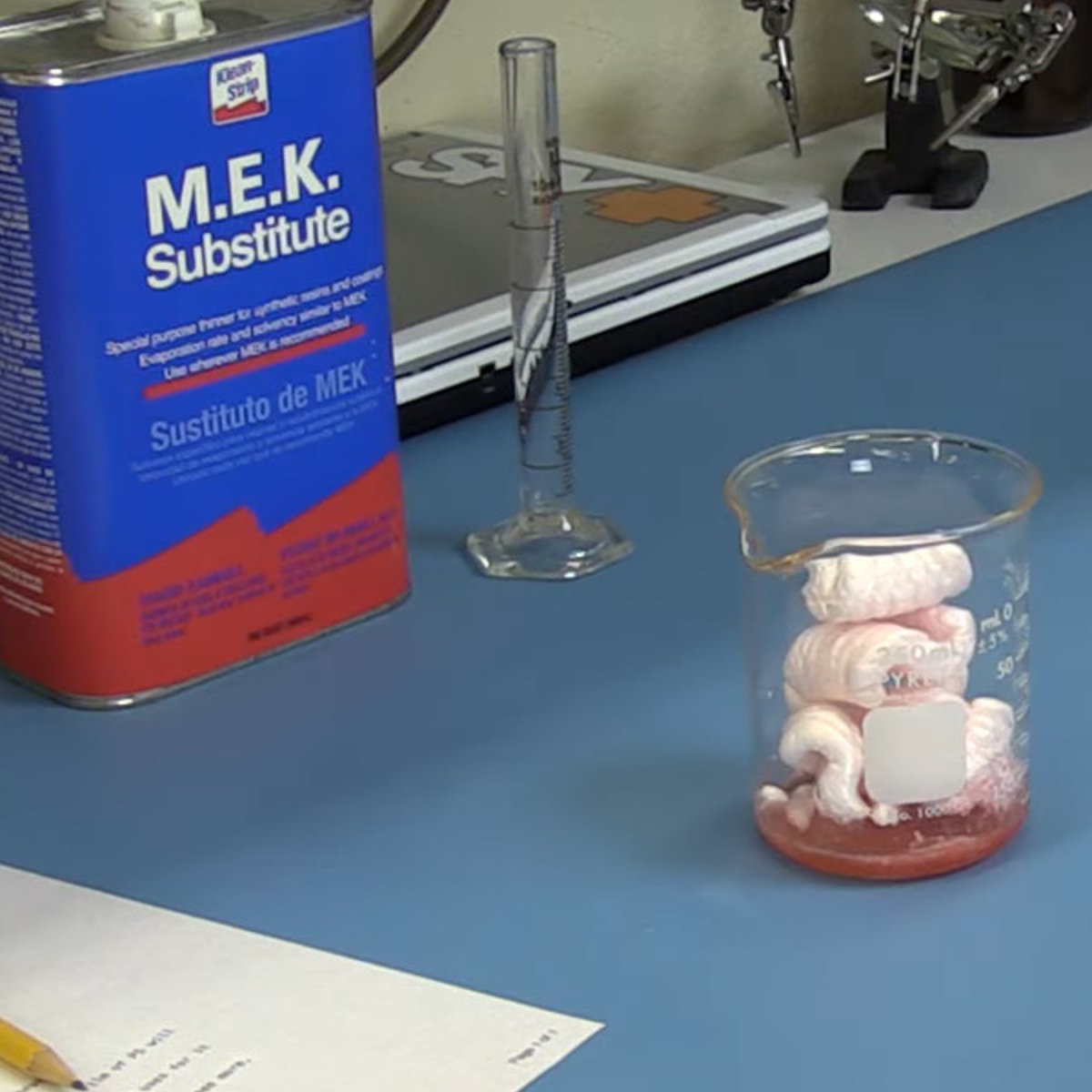
Where this is being written it wasn’t on the market so it was more usual to use nail lacquer, but reading the piece it seems American hams swore by the stuff. That’s in the past tense because it seems it’s no longer on the market. Even there though help is at hand, because dissolving packaging polystyrene in solvent yields an acceptable substitute. There’s even an 11-year-old how-to video linked from the SolderSmoke post, should you fancy making some of your own. We suggest you proceed with caution though, polymers dissolved in solvents sounds a lot like home-made napalm, and probably puts out fumes you don’t want to breathe.

Meanwhile should you fancy experiments of your own with inductors, we’ve got you covered.

🤖 AI 总结
文章指出在射频应用中,绕制的电感线圈需注重机械稳定性,而非大型变压器式扼流圈。

If you work with radio, the chances are that before too long you’ll be winding an inductor. At radio frequencies these won’t be big chunky transformer style chokes, but often air-cored affairs supported by their own rigidity. As grizzled old radio amateurs will tell you though, relying on such a coil for stability is a fool’s errand. It will shift inductance from the slightest movement, thermal expansion, or even sound. Luckily [SolderSmoke] is here to remind us of the trusty fix, in the form of Q-dope, or a polystyrene solution that dries to form a rigid low-dielectric coating.

Where this is being written it wasn’t on the market so it was more usual to use nail lacquer, but reading the piece it seems American hams swore by the stuff. That’s in the past tense because it seems it’s no longer on the market. Even there though help is at hand, because dissolving packaging polystyrene in solvent yields an acceptable substitute. There’s even an 11-year-old how-to video linked from the SolderSmoke post, should you fancy making some of your own. We suggest you proceed with caution though, polymers dissolved in solvents sounds a lot like home-made napalm, and probably puts out fumes you don’t want to breathe.

Meanwhile should you fancy experiments of your own with inductors, we’ve got you covered.

原文
Mechanical Stability For Your Coils

If you work with radio, the chances are that before too long you’ll be winding an inductor. At radio frequencies these won’t be big chunky transformer style chokes, but often air-cored affairs supported by their own rigidity. As grizzled old radio amateurs will tell you though, relying on such a coil for stability is a fool’s errand. It will shift inductance from the slightest movement, thermal expansion, or even sound. Luckily [SolderSmoke] is here to remind us of the trusty fix, in the form of Q-dope, or a polystyrene solution that dries to form a rigid low-dielectric coating.

Where this is being written it wasn’t on the market so it was more usual to use nail lacquer, but reading the piece it seems American hams swore by the stuff. That’s in the past tense because it seems it’s no longer on the market. Even there though help is at hand, because dissolving packaging polystyrene in solvent yields an acceptable substitute. There’s even an 11-year-old how-to video linked from the SolderSmoke post, should you fancy making some of your own. We suggest you proceed with caution though, polymers dissolved in solvents sounds a lot like home-made napalm, and probably puts out fumes you don’t want to breathe.

Meanwhile should you fancy experiments of your own with inductors, we’ve got you covered.

中文翻译
线圈的机械稳定性

如果你从事无线电工作,那么很有可能不久你就会开始绕制电感。在射频频率下,这些电感不会是那种笨重的变压器式扼流圈,而通常是依靠自身刚性支撑的空心线圈。不过,正如那些经验丰富的老业余无线电爱好者会告诉你的那样,依赖这种线圈来保持稳定性是徒劳的。它可能会因为最轻微的移动、热膨胀甚至声音而改变电感值。幸运的是,[SolderSmoke] 提醒我们有一个可靠的方法,那就是 Q-dope,一种聚苯乙烯溶液,它会干燥形成一层坚硬的低介电涂层。

在我写这篇文章的地方,这种产品并没有上市销售,所以更常见的是使用指甲油;但读了那篇文章后,我发现美国业余无线电爱好者们对 Q-dope 推崇备至。之所以用过去时,是因为它似乎已经不再在市面销售。不过即便如此,解决方法也近在眼前:因为将包装用的聚苯乙烯溶解在溶剂中就能得到可接受的替代品。SolderSmoke 的帖子中还附带了一个11年前的制作教程视频,如果你想自己做一些的话可以看看。不过我们建议你谨慎操作,因为聚合物溶解在溶剂中听起来很像自制凝固汽油弹,而且可能会释放出你不愿意吸入的烟雾。

同时,如果你想自己用电感做实验,我们这里也有相关资料